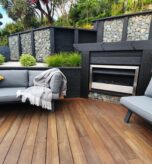
Decking Materials That Handle Kapiti’s Coastal Conditions
Choosing the right decking material on the Kapiti Coast isn’t just about looks — it’s about how well it handles salt air, UV exposure, wind, rain and the occasional coastal storm. The wrong material in the wrong location means constant maintenance, premature replacement and wasted money.
This guide compares the most common decking materials available to Kapiti Coast homeowners in 2026 — covering treated pine, hardwoods, macrocarpa and composite options like Millboard. We’ll break down the pros, cons, costs, maintenance requirements and which materials perform best in our specific coastal environment.
Living on the Coast means your deck takes a beating from salt, wind and UV every single day. The material you choose today determines whether you’re enjoying your deck in 10 years or replacing it.
Gareth Allen — Legendary Landscapes
Why Material Choice Matters on the Coast
The Kapiti Coast presents specific challenges for outdoor timber and composite products that you won’t find in sheltered inland areas. Salt-laden air accelerates corrosion on fixings and causes surface degradation on untreated timber. Strong prevailing winds drive moisture into joints and end grain. High UV exposure fades and dries unprotected surfaces faster than average. These factors mean material selection, fixing specification and finishing approach all matter more here than they would on a sheltered suburban section in Hamilton. Getting it right from the start saves you thousands in maintenance and early replacement down the track.
Decking Materials Compared
Here’s a comparison of the most commonly used decking materials on the Kapiti Coast, with realistic costs per square metre installed.
Treated Pine: $250–$350/sqm
Macrocarpa: $350–$500/sqm
Kwila Hardwood: $450–$650/sqm
Vitex Hardwood: $500–$700/sqm
Composite (Millboard): $550–$800/sqm
Key Factors for Coastal Performance
Beyond the material itself, here are the key factors that affect how your deck performs in Kapiti’s coastal environment.
Fixings: Always use 316-grade stainless steel screws and bolts on the Kapiti Coast. Standard galvanised fixings corrode in salt air, causing rust stains and structural weakness within 2–3 years
Subframe: The subframe is just as important as the deck boards. We use H4-treated timber or steel brackets for ground contact, with proper ventilation underneath to prevent moisture buildup
Orientation: North-facing decks get maximum UV exposure and need more frequent maintenance. Sheltered decks under a pergola or roofline will last significantly longer between treatments
Ventilation: Good airflow underneath the deck prevents moisture damage to both the subframe and the boards. We ensure adequate ground clearance and ventilation on every build
Maintenance by Material Type
All decking materials need some level of care on the Kapiti Coast. Here’s what to expect for each material type.
Treated Pine: wash & restain every 12–18 months
Macrocarpa: wash & oil every 12–18 months
Kwila/Vitex: wash & oil every 12–24 months
Composite: occasional wash with soapy water only
All materials: clear leaves & debris regularly to prevent moisture buildup
Whatever material you choose, using stainless steel fixings is non-negotiable on the Kapiti Coast. Standard galvanised fixings will rust and stain the timber within a few years.
Material Advice & Samples
Stainless Steel Fixings as Standard
Quality Stains, Oils & Sealants
Aftercare Instructions at Handover
Full Decking Construction & Finishing
Get Expert Advice on Your Deck
Not sure which decking material is right for your property? Book a free consultation and we’ll help you decide:
Call Gareth: 022 372 8344 — for a chat about your project or to book a free site visit
Email: admin@legendarylandscape.co.nz — we’ll get back to you within 24 hours
Online: Fill in the form on our Contact page and we’ll arrange a consultation at your property
Recent Decking Projects
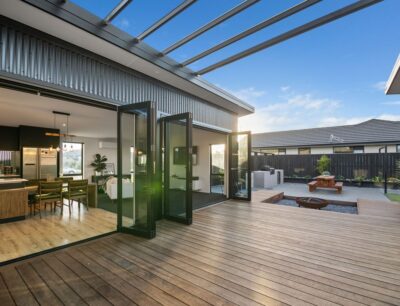
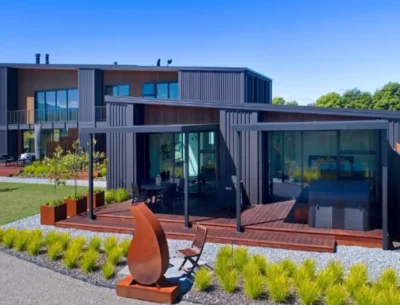
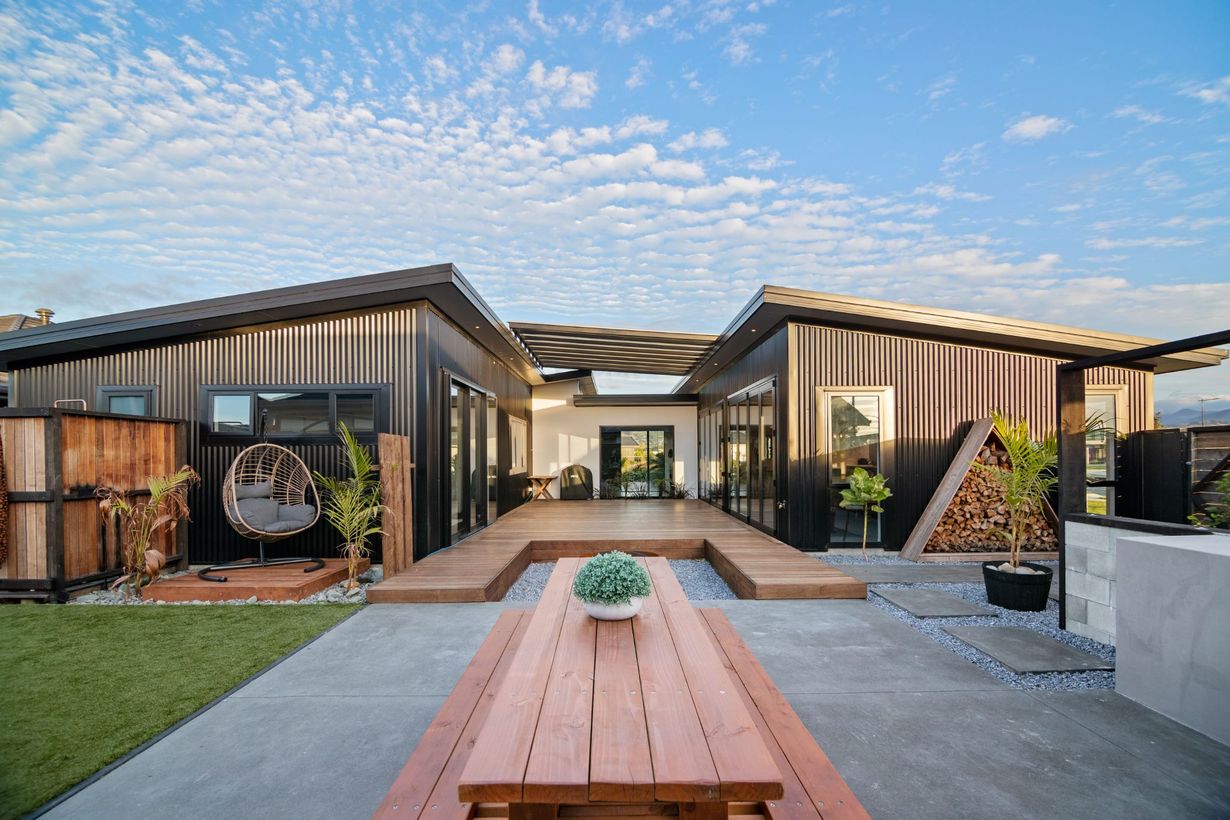
From treated pine family decks to premium composite entertaining areas — here are some recent decking projects by Legendary Landscapes across Paraparaumu, Waikanae and the wider Kapiti Coast.